Squad Rotation Metrics and Their Effects on Betting Markets During Congested Fixture Periods
Written by Mara Wagner · Jun 12, 2026
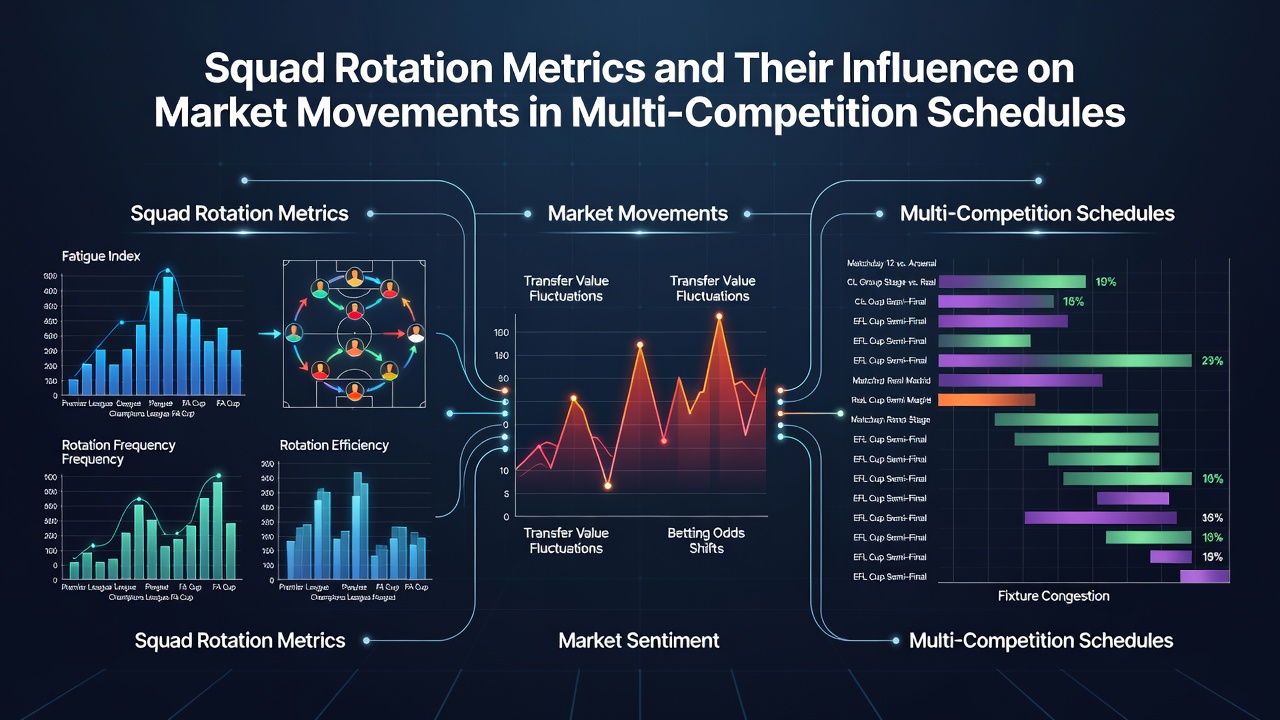
Squad Rotation Metrics and Their Effects on Betting Markets During Congested Fixture Periods
European football clubs navigate packed calendars that combine domestic leagues with continental tournaments and domestic cups, and analysts track squad rotation through specific metrics such as total minutes played per player, distance covered in training versus matches, and recovery intervals measured in days between appearances. These figures feed directly into models that betting operators use when they adjust odds ahead of midweek fixtures or weekend double-headers, particularly as teams balance key personnel across competitions.
Core Rotation Indicators and Data Collection
Clubs compile datasets that include average sprint counts, heart-rate variability scores, and GPS-tracked workload percentages, and observers note that these indicators often appear in pre-match briefings released by teams or compiled by performance analysis firms. When a midfielder logs over 450 minutes across four competitions in a three-week span, markets for that player's next outing tend to shift as soon as the numbers surface publicly. Researchers at institutions tracking elite athletes have documented correlations between spikes in these metrics and subsequent dips in passing accuracy or duel success rates, figures that bookmakers incorporate into their probability calculations for over-unders and player props.
Impact on Team Selection and Market Adjustments
Coaches at clubs competing on multiple fronts often rest starters during lower-stakes domestic fixtures, and this pattern produces measurable changes in expected goals and clean-sheet probabilities that move live and pre-match lines. Data from the 2025-26 season shows that sides rotating at least three starters in Champions League weeks saw their domestic win probabilities drop by an average of 8 to 12 percentage points according to several independent models. Bettors monitoring lineups released 90 minutes before kickoff frequently encounter rapid price adjustments on both team totals and individual performance markets once rotation news breaks.
What's interesting is how these adjustments vary by competition stage. Early group-phase matches in Europe allow more aggressive rotation without immediate elimination risk, whereas knockout ties prompt tighter selection policies that keep star players on the pitch longer, and those policy differences create distinct market behaviors that data providers flag through automated alerts.
Multi-Competition Congestion Patterns Through June 2026
Fixtures scheduled between March and June 2026 will again compress schedules for clubs still active in four competitions simultaneously, and analysts expect similar rotation spikes around the final international break and domestic cup semi-finals. Historical datasets reveal that teams reaching deep runs in both the Champions League and domestic cups increase their reliance on squad players by roughly 25 percent compared with clubs exiting early, producing measurable effects on second-half goal tallies and card markets. External performance databases that aggregate these patterns allow operators to recalibrate their risk models ahead of each congested window.
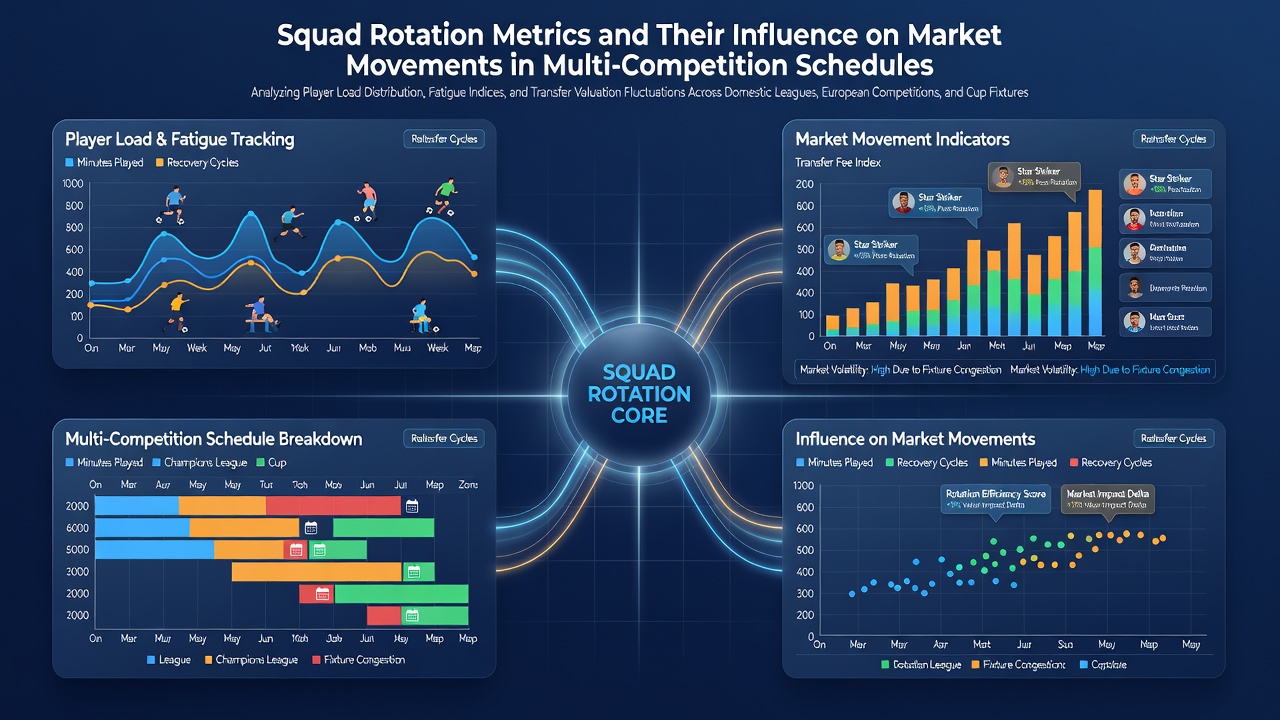
Take one dataset released by a European football analysis group that examined 14 clubs across the prior three seasons: sides that rotated their central defenders more than twice per week recorded higher expected goals conceded in the subsequent match, and those elevated numbers translated into adjusted prices on both handicap and total goals lines. Operators incorporate such findings alongside real-time injury updates to maintain balanced books across overlapping competitions.
Regional Regulatory Perspectives on Data Transparency
Gaming regulators in several jurisdictions require operators to disclose how external performance data influences odds compilation, and reports from Australia's state-based commissions alongside EU consumer-protection agencies highlight the growing use of athlete workload statistics in pricing algorithms. These disclosures do not dictate specific rotation strategies yet they do encourage clearer communication between clubs, data providers, and betting platforms. Academic papers from North American sport-science departments have examined similar datasets and found consistent links between rotation frequency and variance in match outcomes, information that feeds into broader market-efficiency studies.
Practical Examples from Recent Seasons
One Premier League side that reached the Champions League semi-finals in 2025 rested its primary striker for a midweek league match against a mid-table opponent, and the resulting change in expected-goals projections moved the over-2.5 goals line by half a point within 30 minutes of lineup confirmation. Similar patterns emerged in Italy and Spain where clubs balancing Copa and Serie A or La Liga schedules altered their pressing intensity after high-rotation weeks, producing shifts in both corners and cards markets. Observers tracking these movements across multiple leagues note that the largest price swings occur when rotation decisions contradict earlier team-news leaks.
Conclusion
Squad rotation metrics continue to shape both on-pitch decisions and the odds offered across multi-competition schedules, with workload data, recovery intervals, and selection patterns feeding directly into probability models used by operators. As fixture calendars remain dense through June 2026, the integration of performance statistics into market adjustments shows no sign of slowing, and those who follow these indicators gain clearer visibility into how lines evolve ahead of congested periods.