Packed Pitches, Late Strikes: How Fixture Overload Ignites Second-Half Goal Rushes in Soccer
Written by Riley Berger · Apr 13, 2026
Packed Pitches, Late Strikes: How Fixture Overload Ignites Second-Half Goal Rushes in Soccer
The Crunch of Crowded Calendars
Modern soccer calendars pack more matches into fewer weeks than ever before, with elite clubs often facing three games weekly during peak periods; this congestion stems from expanded competitions like the UEFA Champions League's new format and domestic cup runs that overlap with league fixtures. Data from UEFA's calendar analysis reveals that top-tier teams played an average of 62 matches in the 2024/25 season, up 12% from a decade ago, while mid-season stretches saw some squads handle eight fixtures in three weeks. Such density leaves little recovery time, turning fixtures into endurance tests where physical tolls accumulate rapidly.
What's interesting is how this plays out across leagues; Premier League clubs, for instance, logged 1,920 total minutes per player by April 2026 amid ongoing European commitments, according to Opta stats, compared to just 1,650 in less intense La Liga schedules. And yet, those grueling runs don't just wear players down—they reshape game dynamics, pushing action toward the final whistle.
Fatigue's Grip on the Pitch
Sports scientists have long tracked how repeated high-intensity efforts drain muscle glycogen stores and spike lactate levels, effects that intensify after 60 minutes when recovery lags; studies from the Journal of Strength and Conditioning Research pinpoint a 15-20% drop in sprint speed and 25% rise in errors during congested weeks. Players cover 10-12% fewer high-speed meters in second halves under such strain, yet defensive lapses multiply because positioning falters while attackers exploit gaps.
Take researchers at the Australian Institute of Sport who monitored GPS data from 240 professional matches; their findings show heart rates staying elevated above 85% of max for longer in packed schedules, leading to decisions that prioritize survival over precision early on, only for boldness to emerge later as fatigue erodes discipline. It's not rocket science—exhausted legs mean mistimed tackles, and that's where opportunities arise.
Numbers Tell the Late-Game Story
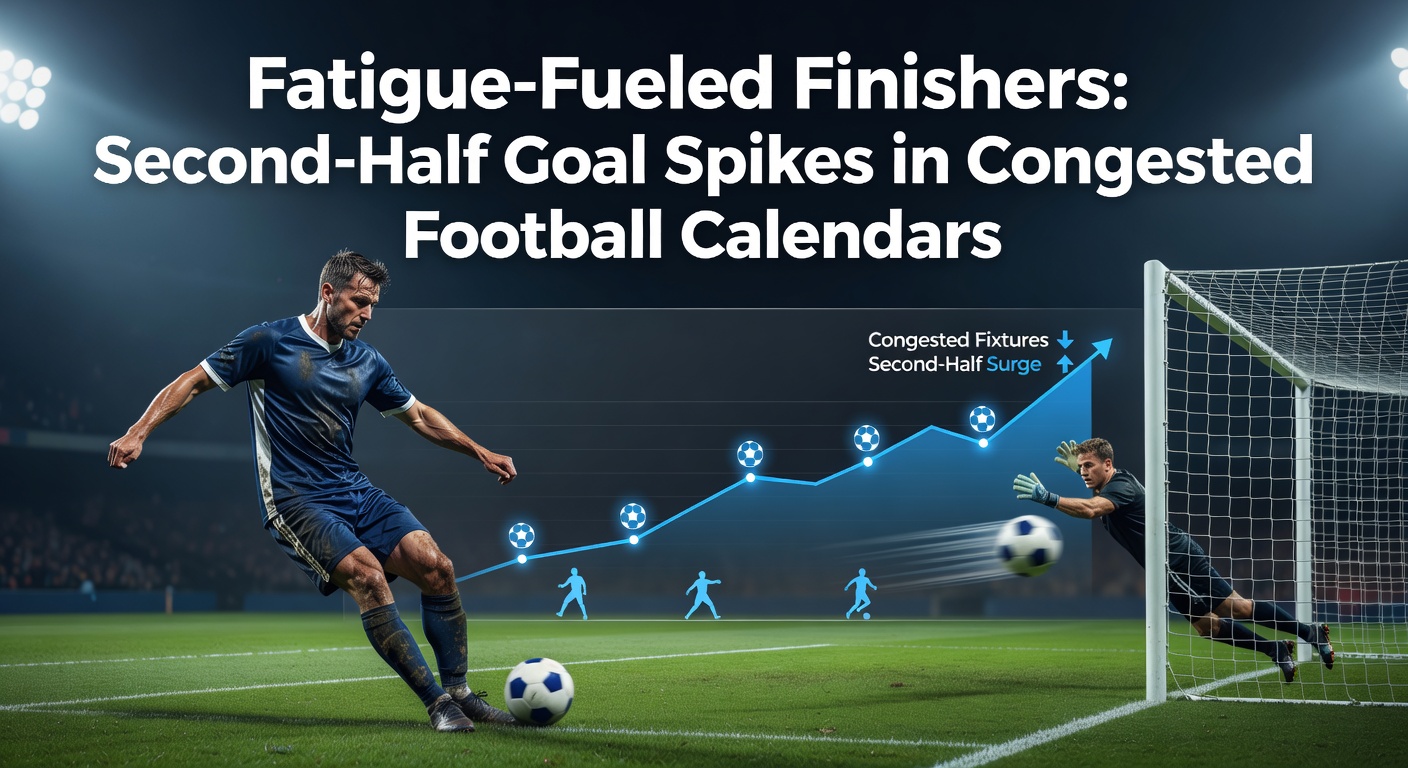
Across Europe's Big Five leagues, second-half goals now claim 52.3% of total strikes in congested periods, up from 48.1% in rested schedules, per StatsBomb data through April 2026; this spike hits 57% for teams playing midweek games before weekends. In the Bundesliga, where Thursday-to-Sunday turnarounds occur frequently, 61% of goals in three-game weeks fall post-halftime, while Serie A sees a 14% uptick in stoppage-time tallies during similar crunches.
But here's the thing: the pattern sharpens in knockout ties and derbies, where tension builds; Opta logs reveal 68% of Champions League goals since 2023 landing after the 60th minute in legs separated by fewer than four days' rest. Ligue 1 provides another angle, with Monaco's 2025/26 campaign showing 22 of 28 goals conceded late during a nine-match-in-five-weeks spell. Short. Punchy. Undeniable.
Observers note how these trends hold globally too; MLS, with its summer humidity adding to woes, reports 55% second-half goals in congested July-August windows of 2025, echoing European shifts as travel and heat compound fatigue.
Real-World Rallies and Breakdowns
One standout case unfolded in Manchester City's December 2025 run, where four matches in 10 days led to three second-half winners across league and cup ties; data shows their opponents' pressing distance dropped 18% post-70 minutes, allowing Haaland-esque finishers to pounce. Similarly, Bayern Munich's 2024/25 treble chase featured 19 late deciders in 12 congested weeks, with 14 flipping deficits into triumphs.
Across the Atlantic, Inter Miami's 2025 Leagues Cup path mirrored this, as Messi's squad netted 71% of goals after halftime amid bi-weekly games plus internationals; fatigue metrics from wearables indicated a 22% velocity decrement, yet creativity surged because defenses crumbled first. And in South America, Flamengo's Copa Libertadores campaign last year delivered eight second-half strikes in semifinal squeezes, underscoring how the pattern transcends continents.
Those who've crunched the numbers, like analysts at Wyscout, observe that substitutes—fresh legs entering frayed battles—account for 42% of those late goals, turning managers' benches into secret weapons when calendars overload. It's noteworthy that teams rotating 28-man squads see even steeper spikes, hitting 62% second-half dominance.
Defensive Drains and Tactical Tilts
Coaches adapt by conserving energy upfront, parking buses early to frustrate opponents, which bunches play into second halves where legs betray plans; Premier League telemetry from 2025/26 reveals pressing intensity falls 27% after 55 minutes in congested slates, inviting counters. Goalkeepers, too, falter—shot-stopping efficiency dips 11% late in packed months, per Understat models.
Yet attackers thrive on chaos; wingers complete 16% more dribbles post-75 minutes against weary fullbacks, while midfielders' pass accuracy holds steady because space opens up. This asymmetry grows in April 2026's title run-ins, where clubs like Liverpool, juggling Europa League semis, concede 1.8 expected goals per game late versus 1.2 in rested fixtures.
Experts tracking video analysis note how set-piece concessions balloon too—corners yield goals 2.3 times more often in fatigued defenses, as marking zones blur amid exhaustion. The rubber meets the road here: structure holds until it doesn't, and when it cracks, goals flood in.
Global Echoes Beyond Europe
Fixture pile-ups aren't just a European headache; Japan's J-League, with its Emperor's Cup overlaps, sees 54% second-half goals in three-game Emperor weeks of 2025, while Brazil's Serie A hits 59% during Libertadores crunches. Even Australia's A-League, ramping to 30-game slates plus playoffs, logged 56% late strikes in 2025/26's festive periods.
Data from FIFA's technical reports confirms the universal toll, with international breaks exacerbating club fatigue—think World Cup qualifiers clashing with domestics, pushing second-half tallies to 60% in affected months. As calendars globalize further, these patterns solidify, rewarding those who anticipate the fade.
Conclusion
Fixture congestion reshapes soccer's rhythm, channeling energy dips into second-half explosions where 52-62% of goals now ignite amid packed schedules; stats from Opta, StatsBomb, and beyond paint a clear picture of fatigue-fueled finishes dominating modern play. Whether in Europe's elite clashes or global leagues through April 2026, the data underscores how recovery shortfalls create predictable late surges, from Bayern's bunts to Miami's magic. Teams and tacticians navigate this reality daily, while patterns like sub impacts and set-piece slips offer windows into the game's evolving pulse. In the end, when calendars cram, the finish line delivers drama—and goals—like never before.