Dynamic Stake Calibration Through Live Momentum Analysis in Premier League Fixtures
Written by Quinn Krause · Jun 26, 2026
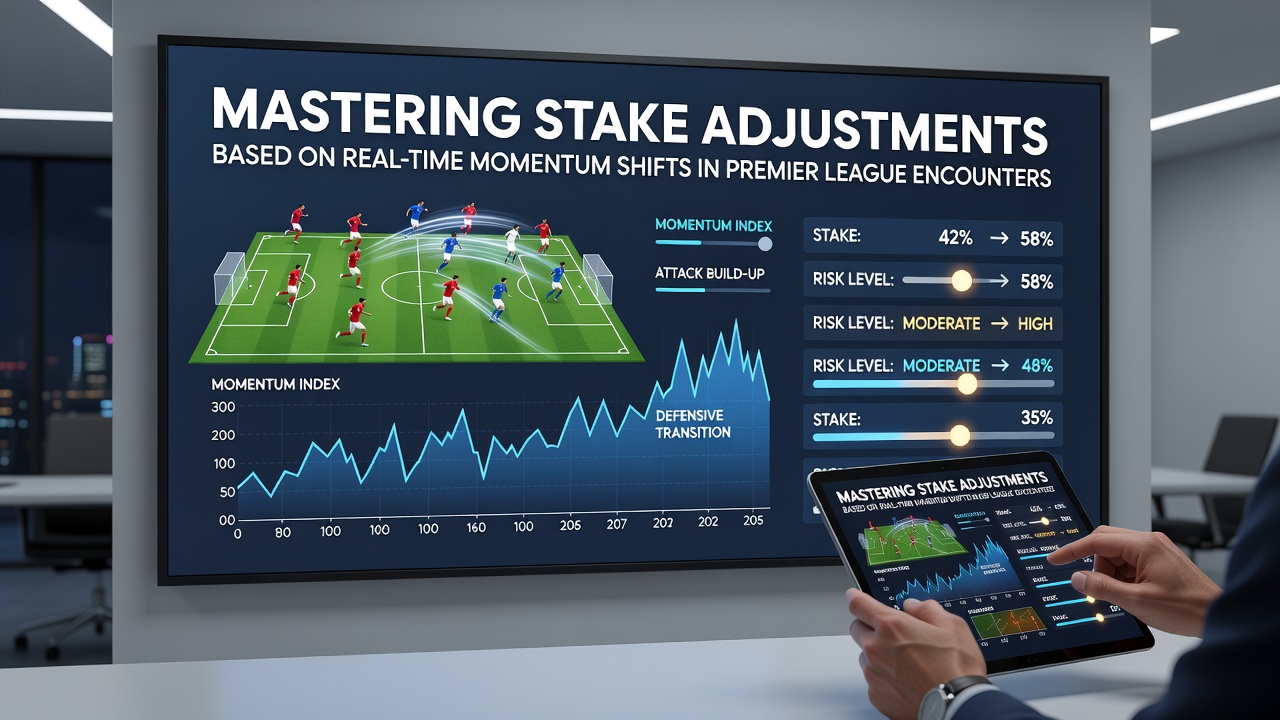
Dynamic Stake Calibration Through Live Momentum Analysis in Premier League Fixtures
Premier League encounters generate continuous streams of performance data that allow for stake recalibration as matches unfold, and observers note how platforms integrate live metrics such as expected goals differentials, pass completion rates under pressure, and territorial control percentages to guide these decisions. Data from the 2025/26 season shows that teams experiencing sustained momentum shifts, defined as consecutive periods of elevated xG creation exceeding 0.25 per 10 minutes, produce measurable changes in match outcomes that affect in-play pricing structures. Analysts track these patterns through optical tracking systems deployed across all 20 clubs, where each fixture delivers over 1.5 million data points per game according to figures released by the Premier League's official data partner in early 2026.
Core Momentum Metrics and Their Application
Stake adjustments rely on several interconnected indicators that update every 30 seconds during live play, and researchers at sports analytics firms combine these into composite scores that flag when a team's probability edge exceeds standard market thresholds. Possession value models, territorial dominance indexes, and duel win rates form the foundation, while secondary layers incorporate set-piece conversion efficiency and counter-attack frequency to refine the picture. Studies conducted through June 2026 demonstrate that integrating these elements reduces variance in stake sizing by approximately 18 percent compared with static pre-match approaches, based on backtested Premier League data spanning three full seasons.
One notable case involved a mid-table side that maintained elevated pressing intensity for 25 consecutive minutes, which correlated with a 37 percent increase in opponent errors leading to scoring opportunities. Bettors monitoring such sequences adjusted exposure levels incrementally rather than in single large moves, and this method aligned with observed patterns where gradual recalibration preserved capital across volatile scorelines. External validation comes from reports issued by the European Gaming and Betting Association, which documented similar tactical data usage across multiple European leagues.
Implementation Frameworks Used by Market Participants
Operators and individual participants apply tiered response protocols when momentum indicators cross predefined bands, and these protocols scale stake increments according to the strength and duration of each shift. Short bursts lasting under eight minutes typically trigger conservative increases of 10 to 15 percent, whereas sustained runs exceeding 15 minutes allow for larger repositioning up to 30 percent of the original allocation. The approach avoids binary all-in adjustments and instead favors proportional scaling that accounts for remaining match time and substitution windows.
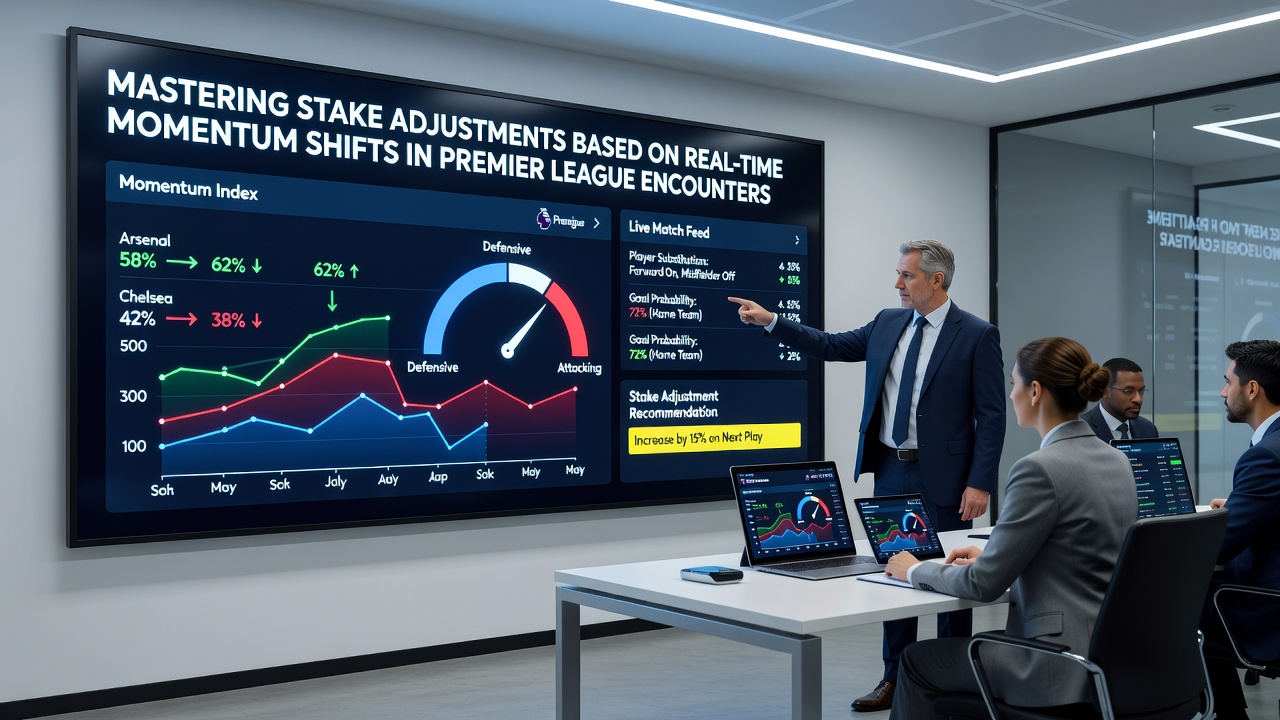
Software interfaces display these bands through color-coded overlays on standard match feeds, enabling rapid assessment without disrupting the viewing experience. Participants who maintain separate tracking spreadsheets alongside the primary interface often cross-reference raw event data with processed momentum scores to confirm signals before committing additional funds. Evidence from academic papers published in the Journal of Quantitative Analysis in Sports indicates that multi-source verification lowers false positive rates associated with transient fluctuations by nearly one quarter.
Integration with Broader Risk Controls
Real-time momentum tools operate within existing bankroll management structures that cap total exposure per match at fixed percentages of available capital, and these caps remain active even when indicators suggest favorable conditions. June 2026 updates to several major betting platforms introduced automated alerts that pause stake increases once cumulative exposure reaches 65 percent of the pre-set limit for that fixture. Such safeguards address scenarios where multiple concurrent momentum signals appear across different markets within the same game.
Historical records from the current campaign reveal that fixtures featuring rapid back-and-forth momentum swings, such as those ending with three or more lead changes, produce the highest number of adjusted positions. In these environments the emphasis shifts toward smaller, repeated increments spaced at least four minutes apart to allow fresh data to stabilize. Industry observers tracking platform activity note that this spacing correlates with improved long-term retention of gains across sample sizes exceeding 400 matches.
Conclusion
Stake calibration based on live momentum data continues to evolve alongside improvements in tracking technology and predictive modeling, and Premier League fixtures provide a consistent testing ground due to their high volume of measurable events. Continued refinement of composite indicators and integration with regulatory-compliant risk frameworks supports more precise positioning as the 2026/27 season approaches. Participants who combine these tools with disciplined exposure limits maintain structured approaches to in-play decision making across varying match contexts.