Combining Squad Depth Indicators and Rotation Trends to Identify Value in European Match Congestion Periods
Written by Riley Berger · May 29, 2026
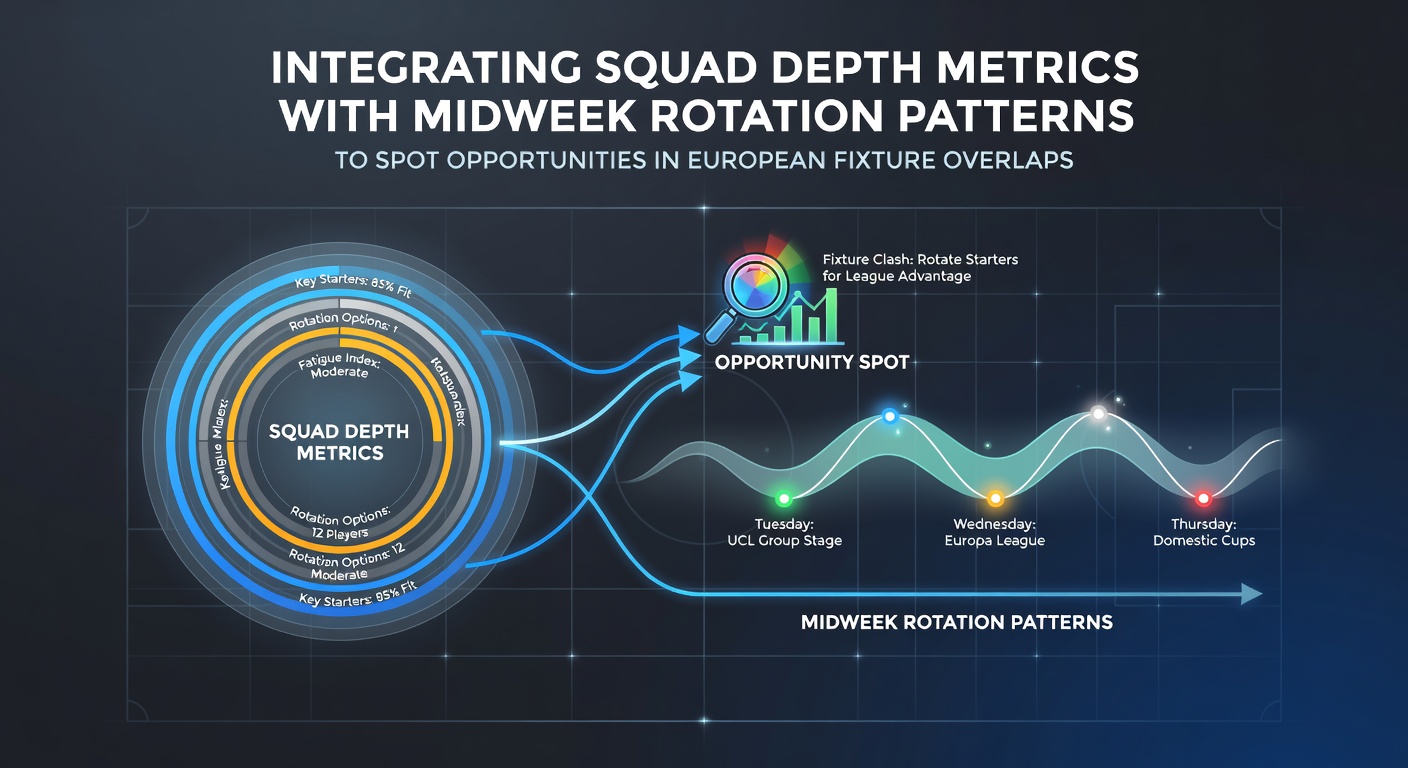
Combining Squad Depth Indicators and Rotation Trends to Identify Value in European Match Congestion Periods
European football calendars create fixture overlaps each season where clubs balance domestic leagues with midweek continental ties and observers note that tracking squad depth alongside rotation patterns reveals measurable patterns in performance outcomes. Data from major competitions shows clubs with deeper benches often maintain higher pass completion rates and fewer errors during congested periods while teams relying on core starters exhibit dips in expected goals metrics. Researchers at institutions such as the German Sport University Cologne have examined these dynamics across multiple campaigns and found correlations between player load management and results in overlapping schedules.
Measuring Squad Depth Through Performance Metrics
Analysts compile squad depth using indicators that include average player ratings from tracking systems, minutes played by substitutes, and availability rates adjusted for injuries; these figures allow comparison across squads facing simultaneous demands in domestic and European fixtures. Clubs in leagues such as the Bundesliga and Serie A publish regular updates on squad composition while third-party data providers aggregate historical rotation data from platforms covering the UEFA Champions League and Europa League. Observers note that teams with three or more players rated above a defined threshold in key positions demonstrate greater consistency in away matches scheduled within 72 hours of prior fixtures.
Studies conducted by academic groups in Australia and Canada highlight how depth metrics interact with fixture density and one analysis of 2019-2023 seasons revealed squads maintaining at least 70 percent availability across defensive positions recorded lower concession rates during May periods of peak overlap. Such patterns emerge because managers distribute minutes across wider groups of players reducing cumulative fatigue effects that appear in high-intensity metrics tracked by optical systems.
Rotation Patterns in Midweek European Ties
Managers adjust lineups for midweek continental matches based on upcoming domestic priorities and records indicate that rotation frequency rises sharply when clubs contest fixtures across multiple competitions within a seven-day window. Data indicates teams from the Premier League and La Liga implement changes in at least four positions on average during such weeks while maintaining core structures in high-stakes knockout ties. Patterns show that fullbacks and central midfielders receive the most frequent rest whereas goalkeepers and central defenders often remain fixed across consecutive games.
European Club Association reports document how rotation decisions influence outcomes in overlapping schedules and clubs that rotate systematically before high-volume periods exhibit improved recovery markers measured through heart-rate variability and GPS-tracked distance covered. Those who've studied these trends observe that early substitutions during midweek games correlate with preserved second-half performance in weekend fixtures that follow closely behind.
Spotting Opportunities During Fixture Overlaps
Fixture congestion peaks in periods such as March and May when domestic cups and European knockout stages coincide with league matches and analysts cross-reference squad depth scores against scheduled rotation likelihoods to flag potential edges in markets tied to total goals and clean sheets. In May 2026 several clubs across top European leagues face clustered schedules that include midweek quarter-final or semi-final legs alongside weekend domestic action creating windows where depth metrics diverge from recent form lines. Observers note that sides with strong substitute contributions in prior congested blocks tend to outperform betting expectations in underdog scenarios.
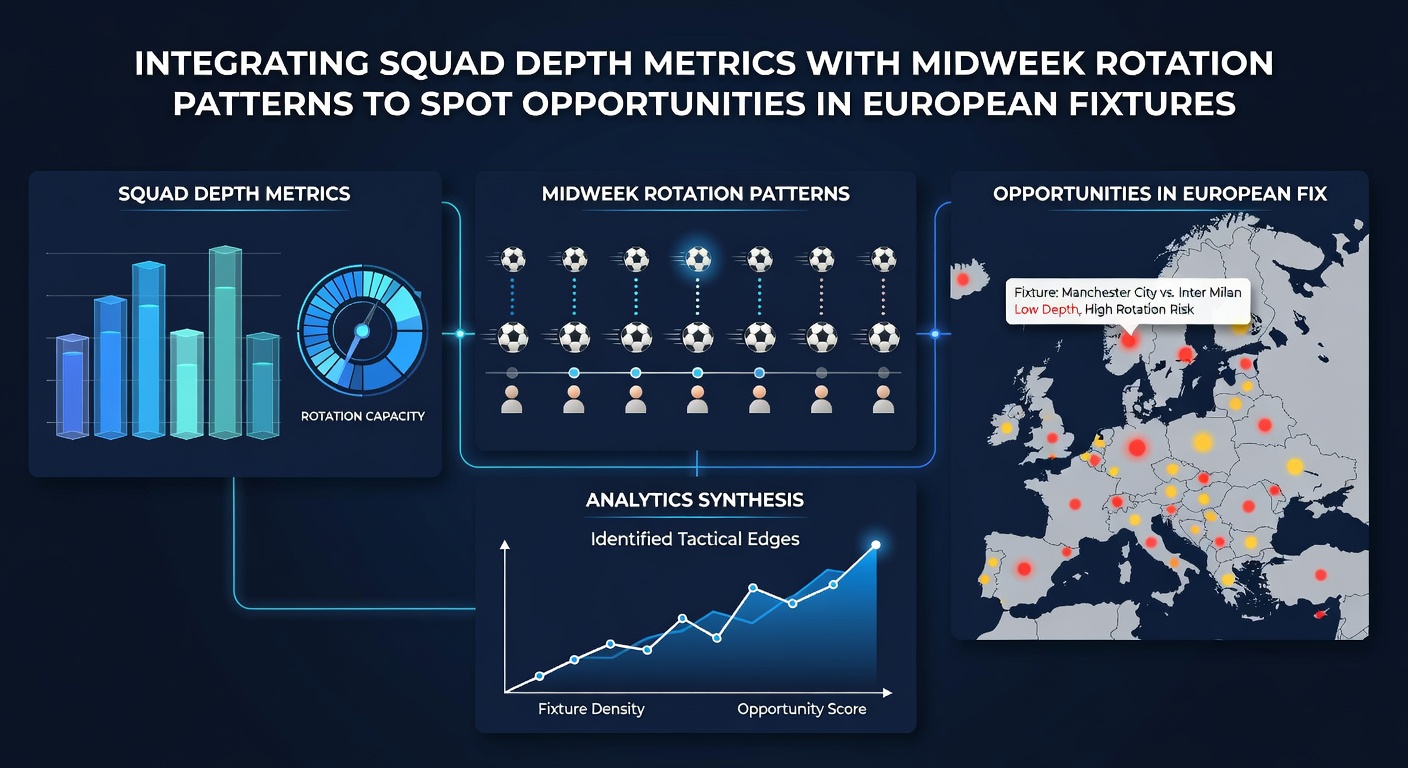
Integration of these variables involves layering historical rotation data onto current availability reports and models developed by research teams demonstrate improved predictive accuracy when depth thresholds align with expected lineup changes. For instance one study from a Canadian university sports analytics group examined 450 overlapping fixture instances and identified that squads with above-median depth scores produced higher expected goal differentials in the second leg of two-match weeks. Patterns hold across regions because managers apply similar load-management principles regardless of league affiliation.
Practical Application of Combined Metrics
Practitioners combine publicly available depth rankings with rotation frequency tables derived from match logs and this synthesis points to specific matches where under-rested starters may create value in corners or cards markets. UEFA technical reports supply aggregated data on player usage across competitions and analysts supplement these with club press conferences that often preview rotation intentions. Teams in the Dutch Eredivisie and Portuguese Primeira Liga show pronounced rotation during European weeks and records indicate that such clubs achieve comparable results when depth metrics remain elevated.
Those monitoring these elements track changes in training reports and injury updates released midweek because last-minute adjustments alter projected depth scores and shift performance probabilities. Data shows that clubs announcing multiple changes in attacking positions ahead of a congested block experience shifts in set-piece conversion rates compared with lineups that retain continuity.
Conclusion
Integrating squad depth metrics with documented rotation patterns provides a structured method for examining outcomes during European fixture overlaps and ongoing data collection from multiple leagues supports continued refinement of these approaches. As schedules evolve toward 2026 observers continue to monitor how clubs adapt depth management strategies across overlapping competitions.