Aligning Player Rotations with Live Odds Adjustments in Domestic Leagues and European Fixtures
Written by Amir Long · May 22, 2026
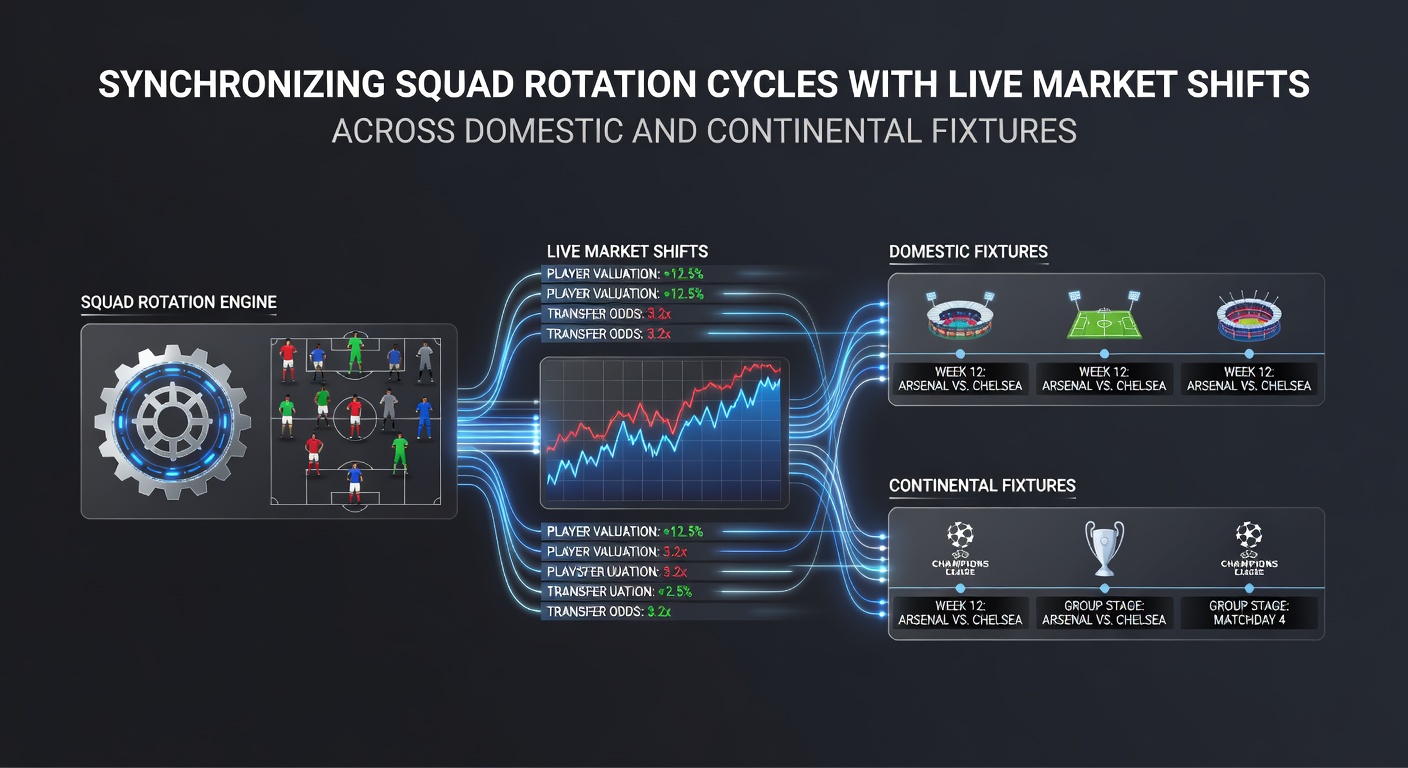
Aligning Player Rotations with Live Odds Adjustments in Domestic Leagues and European Fixtures
Coaches across top European clubs coordinate squad rotations carefully when domestic fixtures overlap with continental campaigns, and this process directly influences how betting markets respond in real time. Fixture lists in May 2026 show several teams managing three matches in ten days across league and European ties, which creates measurable shifts in starting lineups and subsequent odds movements.
How Rotation Patterns Emerge During Congested Periods
Managers review player workload data from GPS tracking systems and medical reports before selecting squads, while analysts at betting firms monitor those same decisions through official announcements and training footage. When a key midfielder sits out a midweek continental match to preserve freshness for a weekend league game, bookmakers often adjust totals and player props within minutes of lineup confirmation. Observers note that such adjustments appear most pronounced in leagues where promotion or title races remain undecided into late spring.
Clubs like those competing in both the Premier League and Champions League typically reduce minutes for star players by 15 to 25 percent during peak congestion windows according to performance databases compiled by Opta. This reduction leads to increased starts for squad depth options, and live markets quickly price in the resulting changes in expected goal contributions and defensive stability.
Market Responses to Confirmed Lineups and Fatigue Signals
Betting exchanges and traditional bookmakers integrate automated alerts tied to team sheets released ninety minutes before kickoff. These systems flag rotation-heavy selections and recalibrate probabilities for outcomes such as clean sheets or over 2.5 goals. Data from European match tracking services shows that rotated defenses concede 0.3 more expected goals per game on average compared with full-strength units, prompting immediate upward movement in both handicap lines and goal totals.
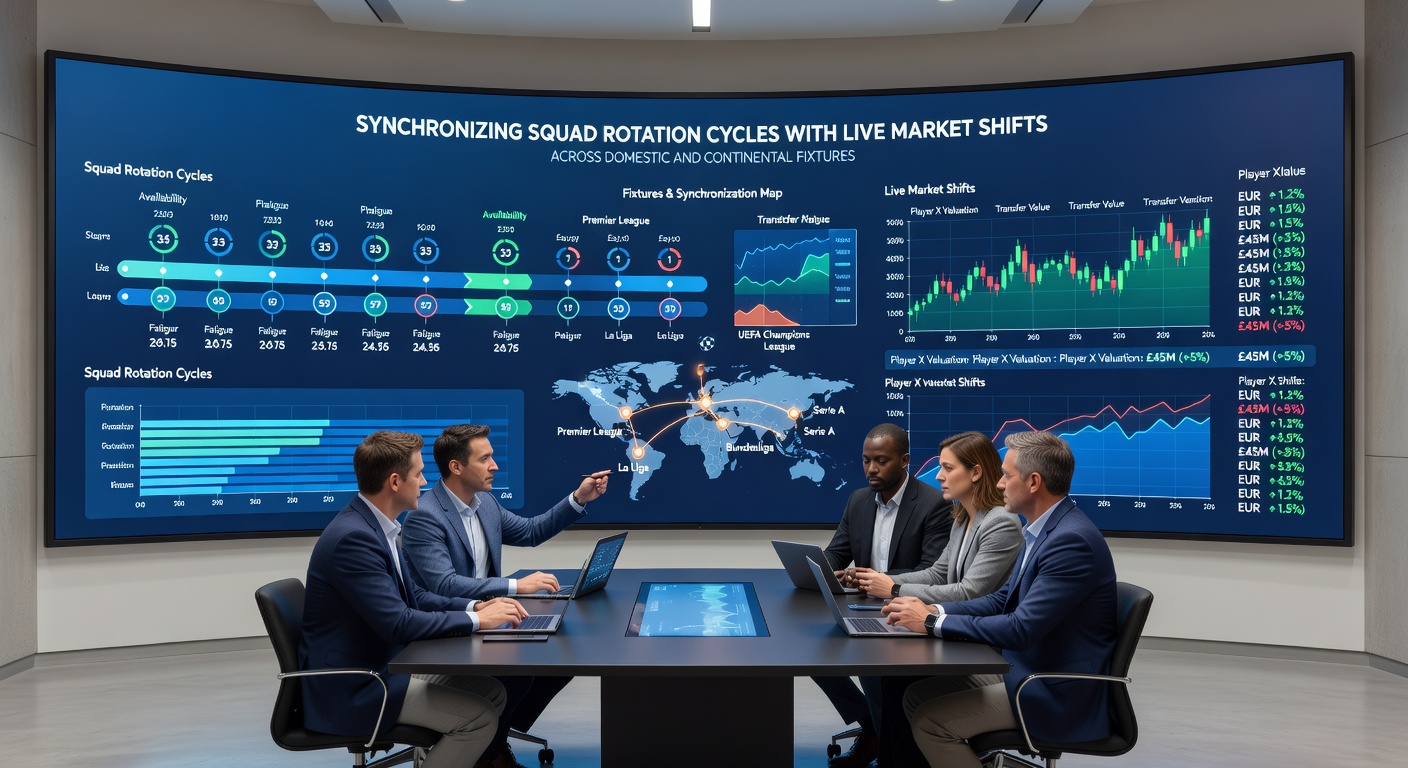
Domestic Versus Continental Fixture Dynamics
Domestic schedules often allow shorter recovery windows between games than continental ties, yet European matches carry higher physical demands due to travel and tactical intensity. Researchers at the University of Barcelona examined fixture calendars from the 2024-2025 and 2025-2026 seasons and found that teams traveling across time zones for midweek Champions League fixtures rotate an average of four additional players compared with standard league weekends. Those rotations correlate with measurable drifts in pre-match odds and sharper in-play adjustments once lineups become public.
Bookmakers incorporate travel fatigue metrics alongside injury reports when recalibrating markets, which creates opportunities for bettors who track both squad announcements and historical rotation trends. Markets tend to overreact to single high-profile absences while underestimating collective effects across an entire backline or attacking unit.
Practical Monitoring Approaches Used by Analysts
Professionals maintain spreadsheets that cross-reference official club websites, UEFA delegate reports, and social media posts from training grounds to anticipate rotation decisions hours before they appear in mainstream outlets. They pair this information with live odds feeds that update every thirty seconds during the pre-match window. One study released by the UEFA Technical Study Group documented how clubs publish squad lists progressively, allowing markets to price in changes incrementally rather than in one sharp movement.
Another analysis conducted by sports scientists at Loughborough University tracked player loading across domestic and continental fixtures and confirmed that clubs with deeper benches rotate more aggressively yet maintain higher win rates when they identify fatigue thresholds early. These patterns feed directly into how odds compilers build their models for both pre-match and in-play betting products.
Conclusion
Teams that master the timing of squad rotations gain competitive edges while simultaneously triggering predictable responses in live betting markets across domestic leagues and continental competitions. Observers who combine workload data, official announcements, and real-time odds feeds can map these interactions with increasing precision as the 2025-2026 season concludes in May 2026. The relationship between rotation cycles and market shifts continues to evolve with improved tracking technology and faster information dissemination.